%20(1).png?width=200&height=80&name=Trillium%20Counselling%20Logo%20(999%20x%20398%20px)%20(1).png "Trillium Counselling Logo (999 x 398 px) (1)")
Anxiety Counselling
Get relief from anxiety and feel like yourself again — in Kitchener-Waterloo and online across Ontario

Anxiety counselling helps you understand what's fueling your anxiety and gives you evidence-based tools to feel calmer and more in control. At Trillium Counselling, our Registered Social Workers and Registered Psychotherapists provide anxiety therapy — including CBT and, where helpful, EMDR — in person in Kitchener-Waterloo and online across Ontario. Whether you're dealing with constant worry, panic attacks, social anxiety, or high-functioning anxiety that hides behind a busy life, therapy can help you move from just coping to feeling more like yourself.
Last updated: July 2026
What is Anxiety?
We all feel Anxiety as part of our daily lives - it's a natural response to stress, and in small doses it can even be helpful. Anxiety becomes a problem when it is persistent, becomes difficult to control, and starts interfering with work, relationships and daily life.
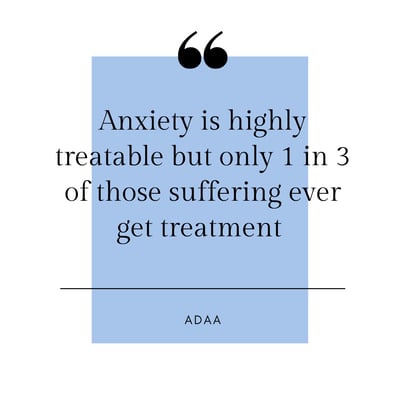
In 2013, an estimated 3 million Canadians (11.6%) reported a mood and/or anxiety disorder, and more than a quarter (27%) said it affected their life "quite a bit" or "extremely" over the past year. Anxiety disorders often lead people to avoid the situations that trigger them, which can quietly shrink someone's world over time. The good news: anxiety is highly treatable, and most people experience meaningful relief through therapy.
Anxiety can even surface in positive moments — a phenomenon sometimes called the anxiety of joy, where feeling good can feel unsafe. Explore this in our article on the anxiety of joy.
Not sure whether it's "just nerves" or something more? See our guide on the signs it's time to seek therapy for anxiety.
For some people, anxiety has roots in unresolved trauma — the nervous system stays on alert long after a difficult experience has passed. If that sounds familiar, our guide on how unresolved trauma connects to anxiety and depression explains the pattern and what treatment can look like.
Symptoms of Anxiety
Anxiety shows up differently for everyone, but common signs include:

Sense of Impending Danger
People with anxiety may worry excessively about impending danger or feel a sense of doom. This can be an overwhelming fear that feels debilitating.
Restlessness
Restlessness is a common sign of anxiety, and is more prevalent in children and teenagers. It can feel like being on edge or having an uncomfortable urge to move.
Panic Attacks
Panic attacks bring on sudden episodes of extreme fear, along with a rapid heartbeat, shortness of breath, sweating, chest tightness, shaking, and a fear of losing control. See what's happening during a panic attack — and how to get through one for a step-by-step guide.

Difficulty Sleeping
Insomnia is a common occurrence for those with anxiety. This can show up as difficulty falling asleep and frequently waking during the night.

Lack of Concentration
Trouble concentrating is common — studies of generalized anxiety disorder report difficulty concentrating in a large majority of cases. Anxiety has also been linked to interruptions in working memory.

Avoiding Social Situations
People with anxiety often avoid situations that trigger it. This can stem from a fear of embarrassment, humiliation, or judgement.
For a deeper dive on these symptoms — plus a 7th surprising symptom — read our resource article on the 7 surprising physical symptoms of anxiety.
How Can Therapy Help With Anxiety?
Therapy helps in two ways: it uncovers the patterns and root causes feeding your anxiety, and it gives you concrete tools to manage it day to day. Most people find meaningful relief through psychotherapy, or a combination of therapy and medication.
Cognitive Behavior Therapy (CBT) is often the starting point for anxiety. CBT helps you identify the distorted, anxious thoughts driving unhelpful patterns and replace them with more balanced, effective responses. For a deeper dive, read our guide on managing anxiety with CBT.
Eye Movement, Desensitization and Reprocessing (EMDR) Therapy may help when anxiety is rooted in distressing past experiences or long-standing negative beliefs about yourself, by helping the brain reprocess those memories so they feel less charged. CBT remains the most-researched, first-line therapy for anxiety. Learn more on our EMDR therapy page.
Exposure-based techniques gently and safely help you face feared situations at a pace you control, so avoidance loses its grip.
Can I get anxiety counselling online in Ontario?
Yes. Trillium Counselling offers online anxiety counselling anywhere in Ontario through secure video sessions with Registered Social Workers and Registered Psychotherapists. Every one of our therapists works online, so you can choose the person who fits you best, wherever you live in the province. Many clients find it easier to open up from the comfort of home, without a commute or a waiting room.
What does Anxiety feel like?
Types of Anxiety Disorders
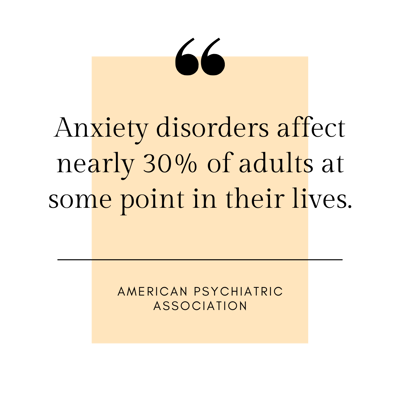
Anxiety disorders are more than just temporary feelings of fear or worry. Left untreated, they often worsen over time. Therapy helps people understand how past events and thought patterns feed their anxiety, and build strategies to manage it.
There are several distinct types:

Generalized Anxiety Disorder - persistent, excessive worry about everyday things like finances, health, or work, often with a strong feeling or sense of impending danger.
Panic Disorder - repeated, sudden panic attacks: episodes of extreme fear with a racing heart, shortness of breath, sweating, and shaking, sometimes mistaken for a heart attack. If you want practical steps, see our guide on what's happening during a panic attack and how to get through one.

Phobias are a specific and constant fear of a specific object, situation or activity that is either not harmful or very unlikely to be harmful (i.e. fear of spiders, heights or flying). Those with phobias often acknowledge their fear is excessive but they are unable to move past them.
Social Anxiety Disorder - an intense, ongoing fear of being judged by others that can pull you back from social situations, relationships, and opportunities. Learn more in our article on what social anxiety disorder is.
High-Functioning Anxiety
Anxiety doesn't always look like anxiety. Some people appear calm, capable, and high-achieving on the outside while feeling driven by worry, perfectionism, and a fear of falling short on the inside. This "high-functioning" anxiety is easy to overlook precisely because things look fine from the outside — but it still takes a real toll.
Explore this pattern in our article on the overachiever's dilemma: understanding high-functioning anxiety. It often overlaps with feeling like a fraud despite real accomplishments .

Anxiety vs. Everyday Stress
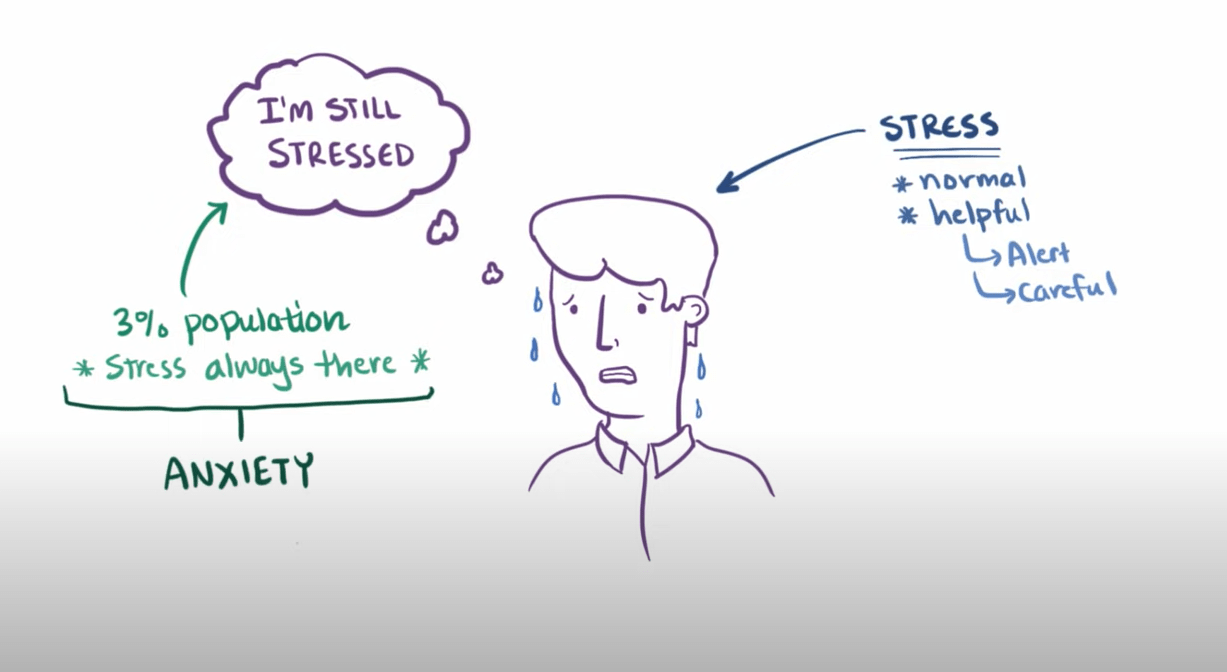
Stress and anxiety overlap, but they're not the same. Stress is usually tied to a specific external pressure and eases once the pressure passes. Anxiety tends to persist — often without an obvious trigger — and can continue even when things are seemingly fine. Knowing the difference between the two helps you decide when self-management is enough and when it's worth reaching out for support.
For a full side-by-side comparison, see our guide on stress vs. anxiety disorders.
Anxiety Therapy at Trillium
Most of our team works with anxiety. Below are a few of the therapists at Trillium Counselling who support clients with anxiety, in Kitchener-Waterloo and online across Ontario. After you reach out, we'll match you with the therapist who's the best fit for your needs, schedule, and goals — including team members not pictured here.

MSW, RSW

MSW, RSW

MSW, RSW

RP (Qualifying), CRPO

MSW, RSW
Not sure who to choose? We'll help find your match.
FAQs
+Can therapy really help with anxiety?
Can therapy really help with anxiety?
Yes. Anxiety is one of the most treatable mental health concerns, and most people experience meaningful relief through psychotherapy — or a combination of therapy and medication. Evidence-based approaches such as CBT and, where helpful, EMDR give you practical tools to manage worry, calm your nervous system, and reduce avoidance.
+What type of therapy is best for anxiety?
What type of therapy is best for anxiety?
Cognitive Behavioural Therapy (CBT) is the most researched and commonly recommended therapy for anxiety, and it's often the starting point. Exposure-based techniques help with avoidance and phobias, and EMDR can help when anxiety is rooted in past distressing experiences. At Trillium, we match you with a therapist who uses the approach that best fits your goals. Learn more in our guide on managing anxiety with CBT.
+Who offers CBT for anxiety in Kitchener-Waterloo?
Who offers CBT for anxiety in Kitchener-Waterloo?
Trillium Counselling offers CBT for anxiety in Kitchener-Waterloo and online across Ontario, provided by Registered Social Workers and Registered Psychotherapists trained in CBT and exposure-based approaches. Because anxiety therapy is offered by several members of our team, we can match you with a therapist whose approach, experience, and availability fit your needs — including support for panic attacks, social anxiety, and high-functioning anxiety.
+How do I know if my anxiety is bad enough to see a therapist?
How do I know if my anxiety is bad enough to see a therapist?
A good rule of thumb: if anxiety is persistent, hard to control, or interfering with your sleep, work, relationships, or the things you want to do, it's worth reaching out — you don't need to be in crisis to benefit from therapy. Read more about the signs it's time to seek therapy for anxiety.
+What is high-functioning anxiety?
What is high-functioning anxiety?
High-functioning anxiety describes people who appear calm, capable, and successful on the outside while feeling driven by worry, perfectionism, and fear of falling short on the inside. It's easy to overlook because things look fine externally, but it still takes a real toll — and it responds well to therapy. See our article on understanding high-functioning anxiety.
+What's the difference between stress and anxiety?
What's the difference between stress and anxiety?
Stress is usually tied to a specific external pressure and eases once that pressure passes. Anxiety tends to persist — often without an obvious trigger — and can continue even when things are objectively fine. See our full comparison on distinguishing stress from anxiety disorders.
+Do you offer therapy for panic attacks and social anxiety?
Do you offer therapy for panic attacks and social anxiety?
Yes. Our therapists work with the full range of anxiety concerns, including panic disorder, social anxiety disorder, generalized anxiety, and specific phobias, using CBT and exposure-based approaches. For practical guidance, see our guides on getting through a panic attack and social anxiety disorder.
+How many therapy sessions will I need for anxiety?
How many therapy sessions will I need for anxiety?
It varies. Many people start with weekly or bi-weekly sessions and adjust as they make progress. Some notice relief within a handful of sessions, while longstanding or complex anxiety may take longer. Your therapist tailors the plan with you, and your pace is always honoured.
+Is anxiety counselling covered by insurance in Ontario?
Is anxiety counselling covered by insurance in Ontario?
When it's provided by a Registered Social Worker (MSW, RSW) or a Registered Psychotherapist (RP), anxiety counselling is typically covered by workplace health-benefit and private insurance plans — many plans include one or both designations. Coverage varies by plan, so it's worth checking whether yours covers social work, psychotherapy, or both. We can direct bill to most major insurers when your plan allows it; otherwise we email insurance-ready receipts after your session. Therapy is not covered directly by OHIP.
+Do you offer anxiety counselling in Kitchener-Waterloo and online in Ontario?
Do you offer anxiety counselling in Kitchener-Waterloo and online in Ontario?
Yes. Trillium Counselling offers anxiety therapy in person in Waterloo and online across Ontario. You're welcome to choose whichever option feels most comfortable and convenient for you.
+How can I support a partner or friend with anxiety?
How can I support a partner or friend with anxiety?
Offer compassionate understanding rather than immediate solutions. Listen without judgment, validate their feelings, and gently encourage professional support if they're open to it — while protecting your own well-being too. For a deeper look, read our guide on how to support a partner or friend with anxiety without burning out.
About the reviewer
Amy King, MSW, RSW, is a Registered Social Worker at Trillium Counselling with specialized training in CBT for anxiety, as well as EMDR and the Flash Technique. This page was reviewed by Amy. Last reviewed July 2026.
Related Resources on Anxiety
Practical guides on the specific ways anxiety shows up — high-functioning anxiety, physical symptoms, fear of rest, supporting someone you love, and more. Each article is written and reviewed by our team.
Not sure yet? Let’s talk it through.
If you’d like to ask questions or explore your options first, book a free 20-minute matching consult or give us a call (226-752-8857) . One of our team members will help you find the right therapist and next steps that feel comfortable for you.
Need support right now? Help is available:
9-8-8 Suicide Crisis Helpline (Canada-wide): call or text 9-8-8 — free, confidential, 24/7.
Here 24/7 (Waterloo–Wellington crisis line): 1-844-437-3247.
If someone is in immediate physical danger, call 9-1-1. Trillium Counselling does not provide crisis services