%20(1).png?width=200&height=80&name=Trillium%20Counselling%20Logo%20(999%20x%20398%20px)%20(1).png "Trillium Counselling Logo (999 x 398 px) (1)")
Big T vs. Little t Trauma: What's the Difference? | Trillium Counselling
Big T and little t trauma are informal terms that describe two different sources of trauma — a single major event versus cumulative experiences. Big T trauma comes from a single, often life-threatening event; little t trauma builds up from chronic, relational, or cumulative experiences that never seemed "bad enough" to count. The distinction originated in the EMDR clinical community and is not a formal diagnostic category, but both can disrupt the nervous system in similar ways — and little t trauma is often what actually brings people into therapy.
Last updated: July 2026 · Written by Christopher Hein, Co-Founder, Trillium Counselling
What is Big T trauma?
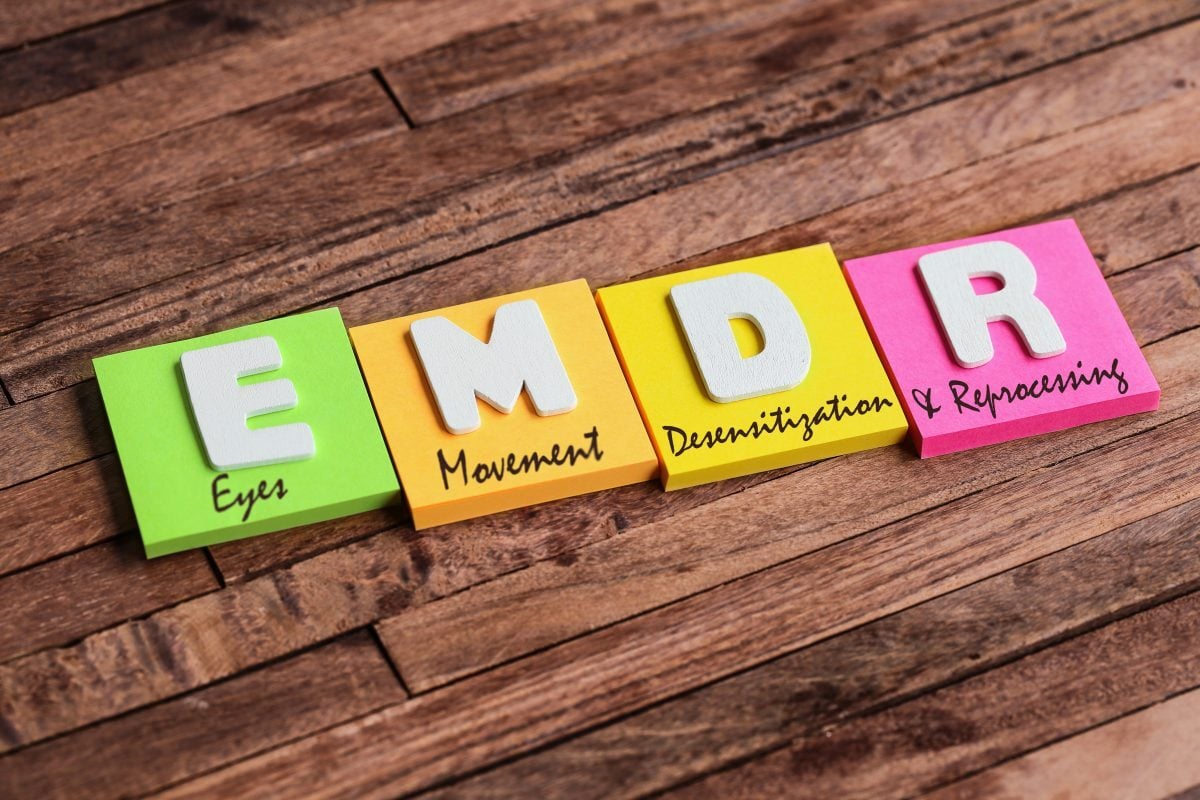
The terms "Big T" and "little t" trauma didn't come from a diagnostic manual — they came out of the EMDR (Eye Movement Desensitization and Reprocessing) community, coined to describe the range of experiences that can leave a lasting mark on the nervous system. EMDR therapy was developed by psychologist Francine Shapiro, who discovered in the late 1980s that structured eye movements could help the brain reprocess distressing memories. Her Adaptive Information Processing framework treats trauma as anything the brain hasn't been able to fully process and file away — which is exactly why the big-T/little-t distinction exists: to capture the full range of what "hasn't been processed," not just the extreme end of it.
Big T trauma refers to major, often life-threatening events that most people would immediately recognize as traumatic — a serious car accident, sexual assault, combat exposure, a natural disaster, the sudden death of a loved one. These events tend to produce sharp, unmistakable reactions: flashbacks, a racing heart at the smallest reminder, a shattered sense of safety. Big T trauma is what most people picture when they hear the word "trauma," and it's also the kind of event most clearly described in the clinical and public health literature — the American Psychological Association defines trauma broadly as an emotional response to a disturbing event intense enough to have a long-lasting effect on functioning, and Big T events sit squarely inside that definition.
What is little t trauma?
Little t trauma is different in shape, not necessarily in impact. It doesn't come from one dramatic event — it accumulates from ongoing, chronic, or relational experiences that never felt dramatic enough to call "trauma" at the time. In Ontario, the everyday-life examples we hear most often in practice include:
- Workplace bullying or a toxic manager — months or years of being undermined, humiliated, or walking on eggshells at a job you couldn't easily leave.
- Chronic medical stress — living with a diagnosis, repeated hospital visits, or caregiving for a sick family member, where the fear never fully resolves because the situation never fully resolves.
- Ongoing relational invalidation — a partner, parent, or family member who consistently dismisses your feelings, keeps you guessing, or makes you feel like you're "too much" or "not enough."
- Chronic financial stress, a difficult divorce that dragged out over years, or growing up in a home where conflict was constant even without any single violent incident.
Little t trauma is easy to miss for a simple reason: nothing about it looks like the version of trauma we're taught to recognize. There's no single incident to point to, no obvious before-and-after. Instead, it's the accumulation — being on edge for years, slowly losing trust in your own judgment, feeling chronically unsafe in a relationship you can't just leave — that wears down the same nervous-system resources a single big event would. A 2024 review in the Journal of Child & Adolescent Trauma makes this same distinction in clinical terms: acute, isolated traumatic events tend to produce distinct, identifiable triggers, while chronic, repeated experiences produce more pervasive and wide-reaching effects on functioning — precisely because they're ongoing rather than contained to one moment.
Does little t trauma really "count"?
This is the question underneath almost every conversation we have about little t trauma, and the honest answer is yes. Trauma isn't defined by how an event would look described to someone else — it's defined by how it affected your nervous system, your sense of safety, and your ability to trust yourself and others afterward. Two people can go through the exact same situation and come out of it completely differently, and neither response is "wrong."
If you've spent years telling yourself "it wasn't that bad" about something that clearly still affects you — how you react to conflict, how hard it is to trust people, why certain tones of voice make your stomach drop — that's worth taking seriously, not minimizing further. The comparison to Big T trauma isn't a competition. Little t trauma doesn't need to be as severe as a car accident or an assault to be real, and it doesn't need anyone else's validation to be worth addressing in therapy.
At Trillium, all of our trauma therapists are Registered Social Workers (RSWs) or Registered Psychotherapists (RPs) with additional trauma-specific training — you can see the current team on our trauma therapy page. Part of that training is specifically about recognizing little t trauma in a first session, because most people don't walk in describing it that way.
Why does the distinction matter clinically?
Here's the part that rarely gets said out loud: little t trauma is often exactly what brings people into therapy — far more often than a single catastrophic event. Someone books a first session because they're exhausted, anxious, struggling in relationships, or can't figure out why they react so strongly to seemingly small things. They frequently don't call it "trauma" at all. They call it stress, or "just how I am," or a personality flaw. Recognizing the little-t pattern is often the missing piece that reframes months or years of struggle into something that actually makes sense — and something that responds to trauma-focused treatment.
This matters because it changes what a therapist listens for. A good trauma therapist doesn't wait for a client to name a single dramatic incident before treating the nervous-system impact seriously. Our trauma therapy approach at Trillium treats Big T and little t experiences with the same clinical seriousness, because the nervous system doesn't grade trauma on a curve — it responds to what actually happened to you, cumulative or not.
Not sure if what you've been carrying is something to bring to therapy? A free 20-minute matching consult can help you talk it through, with no pressure to have it all figured out first.
How does trauma therapy address both Big T and little t trauma?
The good news is that the same evidence-based approaches work for both categories — what changes is pacing and focus, not the toolkit. EMDR, for example, doesn't require a single "big" memory to target; it works just as directly with the smaller, repeated moments that make up little t trauma, helping the brain reprocess them so they stop generating an outsized reaction in the present. You can read more about how that process works on our EMDR therapy page.
Trauma-focused cognitive behavioural therapy helps with both categories by identifying the beliefs a trauma — single-incident or cumulative — left behind ("I can't trust anyone," "I have to be perfect or I'll be punished") and working through them systematically. Somatic and body-based approaches are often especially useful for little t trauma specifically, because chronic stress tends to live in the body as much as in memory — tight shoulders, a stomach that's always slightly clenched, a startle response that never fully turns off.
What matters most in practice is that the therapist takes little t experiences as seriously as Big T ones from the first conversation. If you want to see how our therapists approach this, our trauma therapy page walks through the full range of modalities we use and how we match clients with the right approach.
When should I consider talking to someone?
You don't need a single dramatic event, and you don't need to be sure the word "trauma" even applies to you, to benefit from talking to a trauma-informed therapist. If any of the little-t examples above sound familiar — if you've been carrying something for a long time that you've never quite named, or if your reactions to certain situations feel bigger than the situation itself — that's a reasonable moment to reach out.
Recognizing little t trauma for what it is tends to be the hardest part. Everything after that — the actual therapy — is usually more straightforward than people expect. If you're ready to talk it through, you can learn more about trauma therapy at Trillium or reach us directly at 226-752-8857.
Frequently asked questions
+Does little t trauma really need therapy?
Does little t trauma really need therapy?
It can, and often it's exactly what brings people into therapy. Little t trauma doesn't need to reach the severity of a major event to disrupt your relationships, self-trust, or day-to-day functioning. If ongoing patterns from workplace stress, a difficult relationship, or chronic hardship are still affecting you, that's a legitimate reason to seek support — no single dramatic incident is required.
+Can little t trauma cause PTSD?
Can little t trauma cause PTSD?
Yes. PTSD is defined by the pattern and persistence of symptoms, not by how severe the triggering experience looked from the outside. Chronic, cumulative experiences — like ongoing relational invalidation or prolonged workplace bullying — can produce the same intrusive memories, hypervigilance, and avoidance patterns as a single major event. The nervous system responds to what it experienced, not to how the event would be described to someone else.
+How do I know if my experience is Big T or little t?
How do I know if my experience is Big T or little t?
Big T trauma usually involves a single event that threatened your life or safety — an accident, assault, disaster, or sudden loss. Little t trauma tends to build up over time through chronic or relational experiences, like ongoing stress at work or an invalidating relationship, where no single moment stands out but the cumulative effect does. Many people experience both categories, and the labels are meant to help you recognize what happened — not to rank it.
+Which comes up more in therapy — Big T or little t trauma?
Which comes up more in therapy — Big T or little t trauma?
Little t trauma comes up in therapy far more often, though it's rarely named that way at first. Most people book a first session because of anxiety, relationship struggles, or feeling chronically on edge — not because they've identified a specific traumatic event. A trauma-informed therapist listens for these cumulative patterns from the start, rather than waiting for a single dramatic incident to be named.
Crisis Resources
If you or someone you know needs support right now, help is available:
- 988 Suicide Crisis Helpline (Canada-wide): call or text 9-8-8 — free, confidential, 24/7.
- Here 24/7 (Waterloo–Wellington crisis & mental health line): 1-844-437-3247.
- If someone is in immediate physical danger, call 911.
About the reviewer — Devon Jorge, MSW, RSW — Devon is a Registered Social Worker (MSW, RSW) and Clinical Director at Trillium Counselling. She reviews Trillium's educational articles to ensure clinical information is accurate, responsible, and aligned with current psychotherapy best practices.
About this article — This article is intended for general education about mental health and the therapy process. It is not a substitute for professional diagnosis, treatment, or individualized mental health advice. If you have concerns about your mental health, please speak with a qualified health professional or contact local crisis services in an emergency.
.png)