%20(1).png?width=200&height=80&name=Trillium%20Counselling%20Logo%20(999%20x%20398%20px)%20(1).png "Trillium Counselling Logo (999 x 398 px) (1)")
Childhood Trauma Therapy
Process what happened then, so it stops shaping how you feel and connect now — in Kitchener-Waterloo and online across Ontario
Childhood trauma and attachment therapy helps adults process early experiences of neglect, abuse or inconsistent care that still shape their relationships and self-worth. Many people arrive without a single dramatic memory. What they have is a pattern: trusting no one or trusting too fast, a harsh inner voice, feeling numb or too much, and relationships that keep ending the same way. Your therapist can help you understand where those patterns started, can work with the nervous system and the younger parts of you that learned them, and help build a more secure way of relating to yourself and others. At Trillium Counselling, our Registered Social Workers provide childhood trauma and attachment therapy using EMDR, Internal Family Systems (IFS), the Developmental Needs Meeting Strategy (DNMS) and attachment-based approaches.
Last updated: September 2026
What is Childhood Trauma?
Childhood trauma is what happens when a child’s safety, emotional needs or sense of self are seriously compromised, usually by the people they depend on. It can include physical, sexual and emotional abuse, neglect, and witnessing violence at home. It can also include quieter experiences that rarely get called trauma: a parent who was depressed, absent, unpredictable or frightening; being the child who had to hold the family together; or growing up with no one who noticed how you felt.
When these experiences repeat over years, therapists call it developmental trauma or complex trauma. The American Psychological Association describes it as exposure in early life to multiple adverse interpersonal events with a pervasive, long-range influence on emotional, cognitive and behavioural functioning, an effect many researchers believe a PTSD diagnosis does not fully capture (APA Dictionary of Psychology). Attachment wounds are the relational side of the same story: the lessons a child draws about whether people can be trusted and whether they themselves are worth caring for.
These experiences are far more common than most people assume. In the 2014 General Social Survey, one-third (33%) of Canadians aged 15 and older reported physical or sexual abuse, or witnessing violence by a parent, before the age of 15 (Statistics Canada). When emotional abuse and exposure to intimate partner violence are counted, about six in ten (59.7%) report some form of childhood maltreatment, and nearly a third (32.3%) report non-physical maltreatment only (Statistics Canada, 2018 Survey of Safety in Public and Private Spaces). If you recognize yourself here, you are in very large company, and you are not overreacting.
Childhood trauma and attachment therapy is time set aside with a registered therapist to understand how those early experiences affect you today, to process the memories and body responses that keep them alive, and to build a steadier, more secure relationship with yourself and the people around you. It is not about blaming your parents or reliving your childhood. It is about your childhood no longer running the show.
Signs of Childhood Trauma in Adults
Childhood trauma rarely shows up as a memory. It shows up as a pattern. You may recognize some of these and none of them mean something is wrong with you. They are adaptations built over time as a response to an environment and meant to kept you safe.

Difficulty Trusting People
You read every room for danger, expect to be let down, and find it hard to believe someone means it when they say they care. Or you trust very fast and get hurt the same way again.

Fear of Abandonment, or Pulling Away First
Closeness feels risky. Some people cling and panic when a partner is distant; others go quiet, shut down or leave before they can be left. Many do both, depending on who they are with.
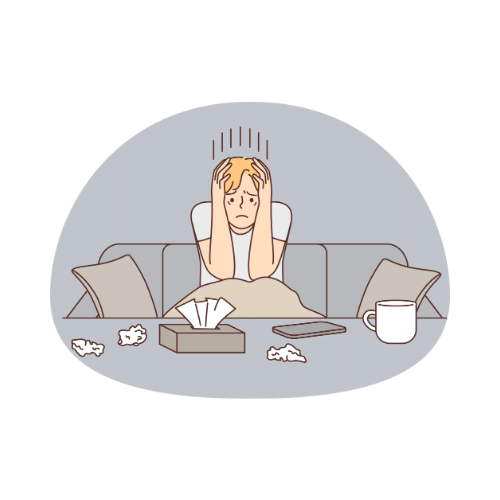
A Harsh Inner Critic and Shame
A voice that says you are too much, not enough, or fundamentally flawed. Perfectionism, people-pleasing and trouble saying no often grow from the same root: earning safety by being good.
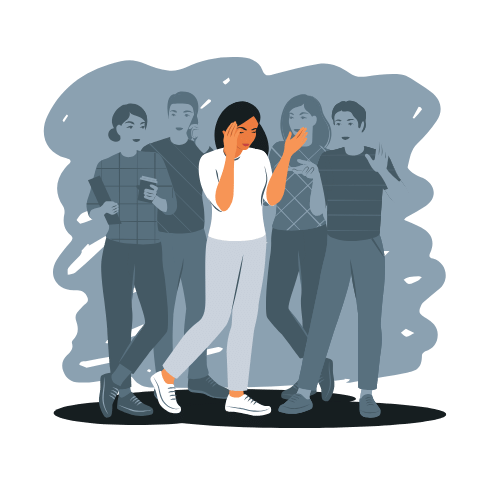
Feeling Numb or Disconnected From Yourself
Not knowing what you feel or what you need. Watching your life from a distance. Feeling empty, or like there is a “real you” nobody has met, including you.
Big Reactions to Small Triggers
A tone of voice, a delayed text or a closed door sets off anger, panic or collapse that feels out of proportion. Afterward you may not be able to explain it, which brings its own shame.

Anxiety, Low Mood or Exhaustion That Never Fully Lifts
A nervous system that grew up on alert does not switch off easily. Chronic anxiety, low mood, poor sleep, tension and stress-related health problems are common long-term companions.
Wondering why you react the way you do in relationships? Read our resource article on attachment styles in relationships.
How Do Attachment Wounds Form?
Attachment is the bond a child forms with the people who care for them. Attachment theory is the study of the need to form close emotional bonds with caregivers, and research has shown that the quality of those early relationships has been shown to affect later emotional development and emotional stability (APA Dictionary of Psychology). A child does not need perfect parents. They need someone who is, most of the time, available, responsive and safe.
When care is inconsistent, intrusive, frightening or simply absent, the child adapts. Some learn to work hard for attention and read every mood in the house. Some learn that needing anyone is dangerous and become self-sufficient very young. Some learn both, and swing between them. These strategies are intelligent responses to the situation a child was in. The problem is that they get carried into adult friendships, partnerships and parenting, where they no longer fit, and they tend to run automatically, below the level of conscious choice.
Attachment wounds and childhood trauma overlap heavily but are not identical, and a therapist will help you understand which is driving what. For a fuller explanation, read our articles on how early attachment experiences shape trauma today and attachment styles in relationships.
How Can Therapy Help With Childhood Trauma?
Therapy for childhood trauma works on two levels at once. The first is understanding: seeing clearly how what happened in the past connects to how you feel and react now, so the patterns stop feeling like personal failings. The second is processing: helping your nervous system and the younger parts of you finish responses that got stuck decades ago, so a partner’s silence no longer lands like a parent’s. Alongside both, the therapeutic relationship itself becomes a place to practise a more secure way of connecting, often for the first time.
The research is encouraging and honest. A 2019 systematic review and meta-analysis of 51 randomized trials found that cognitive behavioural therapy, exposure-based therapy and EMDR each reduced PTSD symptoms more than usual care in people with complex-trauma features such as emotional dysregulation, negative self-concept and relationship difficulties, and that CBT and exposure also had moderate-to-large effects on negative self worth. The same review found that childhood-onset trauma was associated with poorer outcomes, which is why treatment for early trauma is usually longer and more carefully paced than treatment for a single adult event (Karatzias et al., Psychological Medicine). A separate review of six randomized trials involving 251 people exposed to childhood trauma found EMDR reduced PTSD, depression and anxiety symptoms, while noting the studies varied considerably in design (Chen et al., Frontiers in Psychology). The American Psychological Association’s practice guideline for PTSD recommends cognitive processing therapy, prolonged exposure and trauma-focused CBT for PTSD, and suggests EMDR, cognitive therapy and narrative exposure therapy (APA Clinical Practice Guideline for PTSD).
In practical terms, people who work through childhood trauma commonly report fewer and smaller emotional “hijacks,” a quieter inner critic, the ability to say no without days of guilt, less need to manage everyone else’s feelings, closer relationships that feel less frightening, and a sense of being more present in their own lives. Change is gradual and rarely a straight line. It is also real, and it does not require you to remember everything.

Trauma therapy can facilitate the reintegration of the nervous system and assist in releasing the cognitive burdens associated with your traumatic experiences.
Approaches We Use for Childhood Trauma and Attachment
There is no single “childhood trauma therapy.” Your therapist will combine approaches that fit your history, your nervous system and your goals. At Trillium, the ones we use most often are:
Attachment-focused EMDR
EMDR therapy helps the brain reprocess distressing memories so they lose their charge. For childhood trauma, therapists adapt it to work with early memories, felt-sense and body memories rather than a single event, and build in resourcing so processing stays within what you can tolerate.
Internal Family Systems (IFS)
IFS, sometimes called parts work, treats the harsh inner critic, the part that shuts down and the part that panics as protective “parts” that developed for good reasons, and helps you relate to them from a calmer, more grounded Self. In a small uncontrolled pilot study of 17 adults with PTSD related to multiple childhood traumas, 92% no longer met criteria for PTSD one month after 16 sessions of IFS; larger controlled trials are still needed (Hodgdon et al., Journal of Aggression, Maltreatment & Trauma).
Developmental Needs Meeting Strategy (DNMS)
DNMS is an ego-state therapy developed specifically for wounds from childhood attachment and emotional neglect. It helps you build internal “resources” that can meet the unmet needs of younger parts of yourself, so those parts no longer drive adult reactions. DNMS is a newer approach with a smaller research base than EMDR or CBT; your therapist will explain how it fits alongside other methods.
Attachment-based and Emotionally Focused Individual Therapy (EFIT)
Drawing on attachment science, these approaches use the therapy relationship itself to help you notice and change the moves you make when closeness feels risky. When the same patterns are playing out with a partner, Emotionally Focused Therapy for couples works on them together.
Cognitive Behavioural Therapy (CBT) and skills work
CBT and related skills-based approaches help with the anxiety, low mood, sleep problems and self-critical thinking that travel with childhood trauma, and are often where the stabilization phase of therapy begins.
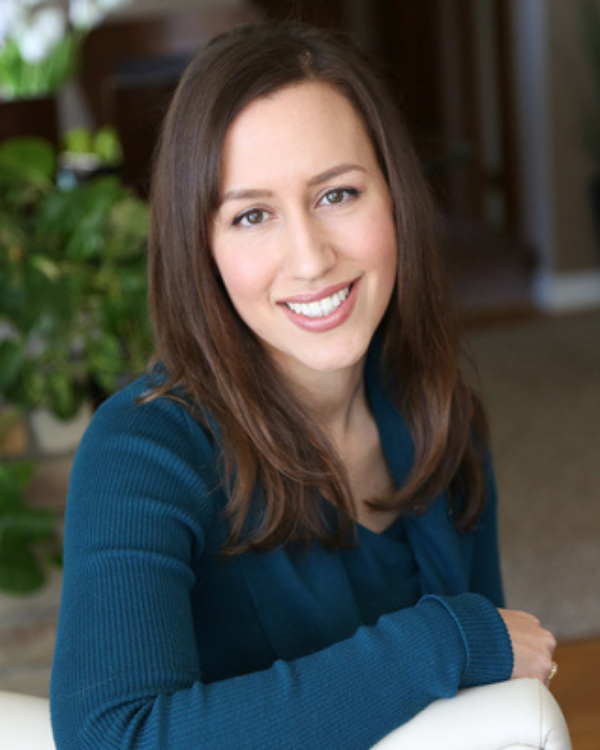
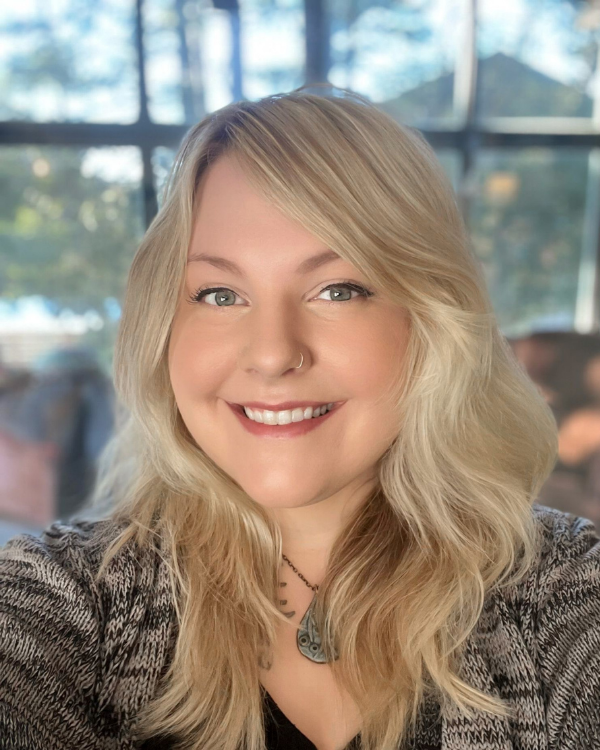
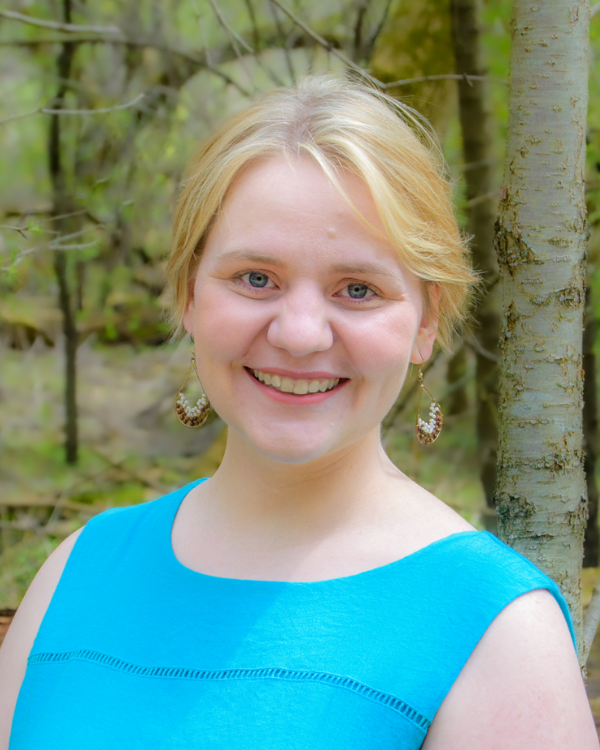
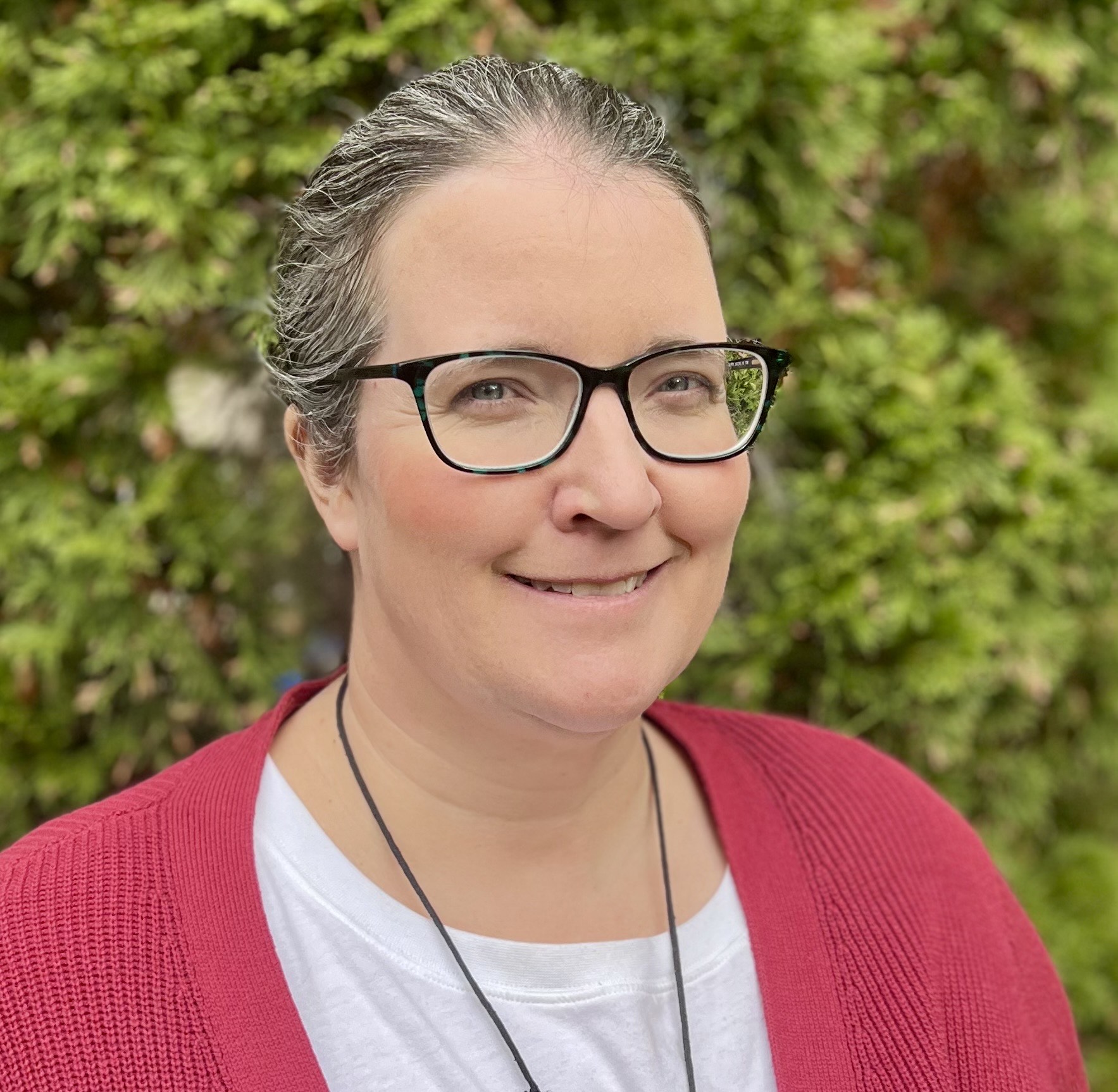
Our Childhood Trauma & Attachment Team in Kitchener-Waterloo
Below are a few of the therapists at Trillium Counselling who work with childhood trauma and attachment, in Kitchener-Waterloo and online across Ontario. During your free consultation, we’ll match you with the therapist who’s the best fit for your needs, schedule, and goals — including team members not pictured here.


Is It Complex Trauma or Complex PTSD?
People often arrive asking whether what they have is “complex trauma” or “complex PTSD.” The short answer is that one describes an experience and the other is a diagnosis. Complex trauma describes the experience: repeated or prolonged trauma, usually in childhood and usually at the hands of someone you depended on. Complex post-traumatic stress disorder (C-PTSD) is a diagnosis. The World Health Organization added it as a condition that can follow prolonged or repeated events from which escape is difficult, such as childhood abuse (WHO ICD-11). It includes the core PTSD symptoms plus three additional “disturbances in self-organization”: difficulty regulating emotions, a persistently negative view of yourself, and trouble sustaining relationships.
You do not need a diagnosis to start therapy, and your Trillium therapist will not diagnose you. In Ontario, a formal PTSD or C-PTSD diagnosis is made by a physician, psychiatrist or psychologist. What your therapist will do is assess how trauma is affecting you now and build a plan around it. Many people with childhood trauma never meet the criteria for a diagnosis and still benefit greatly from therapy.
If your trauma stems from a single adult event, such as an accident, an assault or a medical emergency, our Trauma Therapy page is the better starting point. Childhood and attachment trauma is the focus here.
Childhood Emotional Neglect: The Trauma That Left No Marks
Childhood emotional neglect is what happens when a child’s feelings are consistently unnoticed, dismissed or treated as a problem. Nothing terrible has to occur. Parents may have provided food, shelter, activities and even affection, while never asking how their child felt, never helping them through big emotions, or making it clear that certain feelings were not welcome. Because nothing “happened,” people who grew up this way often struggle to name what is wrong. A very common opening line in a first session is “I had a good childhood, so I don’t know why I feel this way.”
It is far from rare. In Statistics Canada’s 2018 Survey of Safety in Public and Private Spaces, nearly a third of Canadians (32.3%) reported non-physical childhood maltreatment only, such as emotional abuse or exposure to violence between parents, without any physical or sexual abuse (Statistics Canada). Emotional neglect itself is even harder to measure, precisely because it is about what did not happen.
Adults who experienced emotional neglect commonly describe feeling empty or numb, struggling to identify their own needs, being fiercely self-reliant, feeling like an outsider even with people who love them, and being far harder on themselves than on anyone else. Therapy for emotional neglect focuses on learning to notice, name and value your own feelings, often for the first time, and approaches like DNMS and IFS were developed specifically for this kind of “absence” wound.
How Childhood Trauma Shows Up in Adult Relationships
For many people, relationships are where childhood trauma finally becomes impossible to ignore. The strategies that protected you as a child, such as reading every mood, keeping the peace, staying self-sufficient, or shutting down when things get intense, become the exact things that create distance or conflict with a partner. A delayed reply feels like abandonment. A small criticism feels like proof you are unlovable. Closeness itself can feel like a threat, so you sabotage it just as it starts to feel good.
Individual therapy works on the roots of these reactions. When both partners are caught in the cycle, couples counselling using Emotionally Focused Therapy helps you change the pattern together. Our article on why emotional closeness can feel scary after trauma goes deeper into how this works. Parents who grew up with trauma often worry about repeating it. Noticing that worry is usually the first sign that you are already doing something different.
What to Expect in Childhood Trauma Therapy
Therapy for childhood trauma is usually paced in phases rather than starting with the hardest material. Therapy typically starts with a phased approach: first building safety, stabilization and skills for managing emotions; then processing traumatic memories; then reconnecting with life, relationships and a sense of self beyond the trauma (BJPsych Advances). In practice the phases overlap, and your therapist will move between them depending on what you need.
Your first sessions are about understanding your history, your current patterns and what you want to be different, and about making sure you feel safe enough with your therapist to do the work. You set the pace. Nobody will push you to describe experiences before you are ready, and many people do meaningful work without ever going into detail.
The middle of therapy is where approaches like attachment-focused EMDR, IFS or DNMS come in, helping younger parts of you and the memories they carry lose their grip on the present. Gaps in memory are normal after childhood trauma and are not a barrier; these approaches work with what your body and emotions remember, not only with what your mind can narrate.
Later sessions focus on living differently: setting boundaries, tolerating closeness, quieting the inner critic, and parenting or partnering in ways that feel chosen rather than automatic. Sessions are typically 50 minutes, weekly or every other week, and can be in person at our Waterloo office or by secure video anywhere in Ontario.
Childhood Trauma Therapy in Waterloo Region and Across Ontario
Trillium Counselling provides childhood trauma and attachment therapy in person at our Waterloo office, serving Kitchener, Waterloo, Cambridge, Guelph and the surrounding Waterloo Region communities, and by secure video anywhere in Ontario. Online sessions use the same approaches, including EMDR, IFS and DNMS, and for many people the comfort of their own space makes it easier to start.
Because several therapists on our team are trained in complex trauma and attachment work, the free consultation we offer matches you with someone whose approach, persona or availability fit best with you, rather than with whoever has an opening. Sessions with a Registered Social Worker are not covered directly by OHIP, but they are covered by most extended health benefit plans that include social work services; check your plan or ask us and we will help you find out.
Childhood Trauma & Attachment Therapy FAQs
+How do I know if I have childhood trauma if I don’t remember anything specific?
How do I know if I have childhood trauma if I don’t remember anything specific?
You do not need a clear memory to have been affected by childhood trauma, and gaps in memory are common after early or repeated stress. Most adults recognize it through patterns rather than events: difficulty trusting, a harsh inner critic, feeling numb or disconnected, big reactions to small triggers, or relationships that keep ending the same way. A therapist will look at those patterns with you, not test your memory. Approaches such as attachment-focused EMDR, IFS and DNMS work with what your body and emotions remember, so a detailed narrative is not required.
+Can therapy help if my childhood “wasn’t that bad”?
Can therapy help if my childhood “wasn’t that bad”?
Yes. Many people who benefit most from childhood trauma therapy describe their childhood as ordinary or even good, because what hurt them was absence rather than an event: feelings that went unnoticed, a parent who was preoccupied or unpredictable, or having to be the responsible one very young. Statistics Canada found nearly a third of Canadians report non-physical childhood maltreatment only, so “nothing happened” is more common than it sounds. If your current patterns are causing distress, that is enough reason to start; you do not need to prove your history qualifies.
+What is the difference between childhood trauma and attachment issues?
What is the difference between childhood trauma and attachment issues?
Childhood trauma refers to experiences that overwhelmed a child’s capacity to cope, such as abuse, neglect, violence at home or a frightening caregiver. Attachment issues refer to the relational template a child built from how their caregivers responded to them: whether people can be trusted and whether they themselves are worth caring for. The two overlap heavily, since most childhood trauma happens inside attachment relationships, but they are not identical. Someone can have insecure attachment without a history that would be called traumatic, and a therapist will help you understand which is driving what.
+Is childhood emotional neglect really trauma?
Is childhood emotional neglect really trauma?
Emotional neglect, where a child’s feelings are consistently unnoticed or dismissed, does not always meet formal definitions of trauma, but its effects on adults look very similar: emptiness or numbness, difficulty knowing what you need, harsh self-judgment, fierce self-reliance and feeling like an outsider even with people who love you. Therapists and researchers increasingly treat it as a form of developmental trauma because it is repeated, relational and shapes the developing nervous system. Whether or not you call it trauma, it responds to the same kinds of therapy, and approaches like DNMS were designed specifically for wounds of absence.
+What is inner child work, and is it the same as IFS or parts work?
What is inner child work, and is it the same as IFS or parts work?
Inner child work is a broad term for therapy that helps you connect with, understand and care for the younger version of yourself who lived through difficult experiences. Internal Family Systems (IFS), often called parts work, is one structured approach to doing that: it treats the inner critic, the part that shuts down and the part that panics as protective parts with good reasons for existing, and helps you relate to them from a calmer core Self. DNMS is another structured approach that builds internal resources to meet a younger part’s unmet needs. Your therapist will explain which they use and why.
+What is the best therapy for childhood trauma in adults?
What is the best therapy for childhood trauma in adults?
There is no single best therapy, and the research supports several. A 2019 meta-analysis of 51 trials found that cognitive behavioural therapy, exposure-based therapy and EMDR each reduced symptoms in people with complex-trauma features, and that childhood-onset trauma tends to need longer, more carefully paced treatment. In practice, therapists combine approaches: EMDR adapted for early memories, IFS or DNMS for parts and unmet needs, attachment-based work for relational patterns, and CBT for the anxiety and low mood that travel with trauma. The right approach is the one that fits your history, your nervous system and a therapist you trust.
+Is complex PTSD the same as childhood trauma?
Is complex PTSD the same as childhood trauma?
No, but they are closely related. Childhood trauma describes what happened. Complex PTSD (C-PTSD) is a diagnosis recognized in the World Health Organization’s ICD-11 for conditions that can follow prolonged or repeated trauma, especially in childhood; it includes PTSD symptoms plus difficulty regulating emotions, a persistently negative self-view and trouble sustaining relationships. Many adults with childhood trauma do not meet the criteria for C-PTSD and still benefit from therapy. In Ontario, a formal diagnosis is made by a physician, psychiatrist or psychologist, and you do not need one to begin therapy.
+Do I have to confront my parents or cut off my family for therapy to work?
Do I have to confront my parents or cut off my family for therapy to work?
No. Childhood trauma therapy is about changing what is happening inside you and in your current relationships, not about staging a confrontation or deciding whether to stay in contact. Some people choose to have conversations with family members; many do not, and it is not a requirement for healing. Your therapist will not tell you what to do about your family. They will help you understand your patterns, process what you carry, and make decisions about relationships from a settled place rather than from fear, guilt or anger.
+How long does therapy for childhood trauma usually take?
How long does therapy for childhood trauma usually take?
Usually longer than therapy for a single adult event, and it varies widely. Because early trauma is usually repeated and relational, treatment is typically paced in phases: stabilization and skills first, then processing, then rebuilding relationships and a sense of self. Many people notice meaningful change within a few months of weekly or biweekly sessions, and some continue for a year or more as the work deepens. Your therapist will review progress with you regularly, and you set the pace. Sessions are not covered directly by OHIP but are covered by most extended health plans that include social work services.
+What happens if I get overwhelmed during childhood trauma therapy?
What happens if I get overwhelmed during childhood trauma therapy?
Feeling overwhelmed is something your therapist plans for, which is why therapy for childhood trauma starts with stabilization rather than with the hardest memories. Before any processing work, you build skills for grounding and managing intense emotion, and you agree on signals for slowing down or stopping. If a session becomes too much, your therapist will pause, help you return to the present, and adjust the pace. Approaches like EMDR, IFS and DNMS include built-in ways to work with distress without flooding. Feeling more, for a while, is common. Being pushed past what you can tolerate is never the goal.
+Can childhood trauma affect my adult relationships and parenting?
Can childhood trauma affect my adult relationships and parenting?
Yes. The strategies that protected you as a child, such as reading every mood, keeping the peace, staying self-sufficient or shutting down under stress, often become the exact things that create distance or conflict with a partner or your own children. Closeness can feel threatening, small ruptures can feel like abandonment, and many parents fear repeating what was done to them. Individual therapy works on the roots of those reactions; when both partners are caught in the cycle, couples counselling with Emotionally Focused Therapy addresses it together. Worrying about repeating the pattern is usually a sign you are already parenting differently.
+Do you offer childhood trauma therapy in Kitchener-Waterloo and online in Ontario?
Do you offer childhood trauma therapy in Kitchener-Waterloo and online in Ontario?
Yes. Trillium Counselling provides childhood trauma and attachment therapy in person at our Waterloo office, serving Kitchener, Waterloo, Cambridge, Guelph and the surrounding Waterloo Region, and by secure video to adults anywhere in Ontario. Our therapists are Registered Social Workers with training in complex trauma, attachment, EMDR, IFS and DNMS, and you are matched with one at a free 15-minute consultation. Call 226-752-8857 or request a free matching consult to get started.
About the reviewer
Devon Jorge, MSW, RSW, is Clinical Director and a Registered Social Worker at Trillium Counselling with specialized training in complex trauma, EMDR, and attachment-based, marriage and family therapy. This page was reviewed by Devon for accuracy. Last reviewed September 2026.
Related Resources
Go deeper on attachment and early trauma, or explore the related services our team provides.
Attachment Wounds: How Early Experiences Shape Trauma Today
The full explainer on how early caregiving becomes an internal template, and what healing attachment wounds in adulthood involves.
Resource articleAttachment Styles in Relationships: Why You React the Way You Do
Anxious, avoidant, disorganized or secure: how each style shows up in adult relationships and what can shift.
Resource articleTrauma and Relationships: Why Emotional Closeness Can Feel Scary
Why intimacy can trigger old alarms, and how partners can rebuild safety together.
Related serviceTrauma Therapy
For trauma from a single event or adult experience, including PTSD, and an overview of the trauma therapies we offer.
Related serviceEMDR Therapy
How EMDR works, what the research shows, and what to expect in an EMDR session.
Related serviceCouples Counselling
When childhood patterns are playing out between you and your partner, work on them together with Emotionally Focused Therapy.
Not sure yet? Let’s talk it through.
If you’d like to ask questions or explore your options first, book a free 20-minute matching consult or give us a call (226-752-8857) . One of our team members will help you find the right therapist and next steps that feel comfortable for you.
Need support right now? Help is available:
9-8-8 Suicide Crisis Helpline (Canada-wide): call or text 9-8-8 — free, confidential, 24/7.
Here 24/7 (Waterloo–Wellington crisis line): 1-844-437-3247.
If someone is in immediate physical danger, call 9-1-1. Trillium Counselling does not provide crisis services