%20(1).png?width=200&height=80&name=Trillium%20Counselling%20Logo%20(999%20x%20398%20px)%20(1).png "Trillium Counselling Logo (999 x 398 px) (1)")
What Is Trauma? Types, Symptoms, and Why the Brain Reacts the Way It Does
Trauma is the lasting emotional and physiological response to an event or set of circumstances that overwhelms a person's ability to cope. Trauma comes in more forms than most people realize — from a single frightening incident to complex, repeated harm in childhood, to intergenerational patterns of stress passed down across generations. How it shows up depends on whether it happened once or repeatedly, whether you lived it directly or absorbed it from someone else's pain, and how your nervous system was built to respond to threat.
Last updated: July 2026 · Written by Christopher Hein, Co-Founder, Trillium Counselling
What is trauma? A definition beyond the headlines
Trauma gets used loosely in everyday conversation — a bad commute, an awkward meeting — but the clinical meaning is narrower and more specific. The Substance Abuse and Mental Health Services Administration (SAMHSA) describes individual trauma as resulting from an event, series of events, or set of circumstances that a person experiences as physically or emotionally harmful or life-threatening, and that has lasting adverse effects on their functioning and mental, physical, social, emotional, or spiritual well-being. The American Psychological Association frames it similarly: an emotional response to a disturbing experience, intense enough to have a long-lasting negative effect on a person's attitudes, behaviour, and functioning.
Two things stand out in both definitions. First, trauma is defined by its lasting effect, not by the event itself — which is why two people can go through the same experience and have very different responses, both normal. Second, neither definition limits trauma to a single dramatic incident. That's the headline most people picture, but it's only one type among several.
We wrote this deeper dive because "what is trauma" means different things to different readers, and it's worth being upfront about that. If you're looking for trauma therapy in Kitchener-Waterloo, our trauma therapy page covers who we work with and how. If you're wondering whether what you're going through crosses the line into PTSD, our guide on how to know if you have trauma or PTSD walks through the DSM-5 symptom clusters and a gentle self-check. What follows here is a longer, more educational look at trauma itself — the different types, how it shows up, and why your brain and body react the way they do.
The different types of trauma
Trauma isn't a single category. Researchers and therapists generally describe several distinct types, and understanding the differences helps explain why trauma can look so different from person to person.
Acute trauma
Acute trauma results from a single, overwhelming event — a car accident, an assault, a natural disaster, a medical emergency. The response is often intense and immediate: shock, fear, disbelief. For many people, acute trauma responses ease within weeks; for others, they persist and need support to resolve.
Chronic trauma
Chronic trauma comes from repeated or prolonged exposure to distressing events — ongoing abuse, living in conflict, a long-term illness, sustained bullying or harassment. Because the nervous system doesn't get a chance to fully settle between incidents, chronic trauma often produces deeper, more entrenched changes in mood, self-concept, and stress response than a single acute event.
Complex trauma
Complex trauma develops from exposure to multiple traumatic events, often interpersonal and often beginning in childhood — repeated abuse, neglect, or betrayal by someone the person depended on. It tends to affect not just how someone responds to specific reminders, but how they relate to themselves and others more broadly: trust, identity, and emotional regulation are often all touched.
Developmental trauma
Developmental trauma refers specifically to trauma that occurs during childhood, while the brain and nervous system are still forming key regulatory pathways. Because so much of emotional and relational development happens early in life, trauma during these windows can shape templates for safety, trust, and self-worth that carry into adulthood — often without a single memorable "event" to point to.
Vicarious and secondary trauma
Vicarious trauma (sometimes called secondary traumatic stress) happens to people who are repeatedly exposed to other people's traumatic material — through their work, caregiving, or close relationships — without experiencing the traumatic event themselves. It's well documented among therapists, first responders, healthcare workers, and family members of trauma survivors, and it can produce symptoms that closely resemble direct trauma exposure, even though the person was never in danger themselves.
Intergenerational trauma
Intergenerational trauma describes the transmission of trauma's effects from one generation to the next — through parenting patterns, family narratives, community disruption, and in some cases biological stress-response changes. In Canada, this is a significant and well-documented public health topic: the legacy of policies like residential schools has produced intergenerational trauma that continues to affect Indigenous individuals, families, and communities today. CAMH (the Centre for Addiction and Mental Health) has spoken directly to this, noting that the legacy of intergenerational trauma in Indigenous communities continues to this day, and the Government of Canada, through Indigenous Services Canada, has established trauma-informed health and cultural support programs specifically in recognition of the intergenerational impacts and legacy of the Residential School System. This is a topic that deserves care, cultural humility, and support from people with the right training — not a passing mention, which is why we're naming it here rather than glossing over it.
Collective trauma
Collective trauma affects a whole community, group, or society at once — a pandemic, a mass casualty event, a natural disaster, systemic violence or discrimination directed at a group. It shares features with both acute and chronic trauma but adds a social dimension: the shared experience can shape culture, memory, and identity at a community level, not just an individual one.
At Trillium, our trauma therapists are Registered Social Workers (RSWs) or Registered Psychotherapists (RPs) with additional trauma-specific training, and they work with many of these trauma types — you can see the current team and approaches on our trauma therapy page.
How trauma shows up: symptoms across mind, body, and behaviour
Because trauma affects the whole nervous system, not just thoughts and feelings, its signs tend to cluster across several domains. This is a broad overview — if you're trying to work out whether what you're noticing might specifically be PTSD, our guide on trauma and PTSD walks through the formal DSM-5 symptom clusters and a gentle self-check in more depth.
Cognitive signs: intrusive memories or flashbacks, difficulty concentrating, a sense of foggy or scattered thinking, harsh or distorted beliefs about oneself or the world.
Emotional signs: persistent anxiety, sadness, anger, guilt, or shame; emotional numbness or a sense of disconnection from one's own feelings.
Physical signs: sleep disruption, chronic muscle tension, fatigue, digestive issues, a racing heart or shallow breathing — the body carrying stress that the mind may not consciously register.
Relational signs: difficulty trusting others, withdrawing from relationships, or conversely feeling anxious and preoccupied in them; trouble feeling safe even with people who mean no harm.
Behavioural signs: avoidance of people, places, or situations connected to the trauma; increased startle response; changes in habits around sleep, eating, substances, or work.
Not everyone experiences all of these, and severity varies widely — trauma responses exist on a spectrum, not a single fixed picture.
Recognizing some of this in yourself or someone you care about? A free 20-minute matching consult with our care coordinator can help you figure out whether trauma therapy makes sense for what you're dealing with — no pressure, no obligation.
Why does the brain react the way it does?
None of the symptoms above are a sign of weakness or brokenness — they're the output of a nervous system doing exactly what it evolved to do. Underneath conscious thought, your brain is constantly scanning for threat, and when it detects one, it triggers rapid, automatic survival responses — fight, flight, or freeze — before you have time to consciously decide anything. This system kept humans alive for hundreds of thousands of years in a world full of physical danger, and it still activates today, even though most modern "threats" aren't the kind you can fight or outrun.
The problem isn't that this system exists — it's that trauma can leave it stuck in the "on" position, or primed to fire at things that aren't actually dangerous. Research reviewed in Dialogues in Clinical Neuroscience describes how traumatic stress is associated with lasting changes in brain areas involved in threat detection, memory, and emotional regulation — which is part of why a trauma response can feel like it's happening in the present, even years after the event itself is over.
This survival-first wiring also explains why trauma is never "just in your head." The same systems that trigger a racing heart or a knot in your stomach during a threat are the ones that stay dysregulated afterward, which is why trauma so often produces real, physical symptoms alongside emotional ones. For a detailed walkthrough of exactly what happens in the brain and body during fight, flight, and freeze — including the specific neuroscience of the amygdala, hippocampus, and stress-hormone system — our companion piece on how trauma impacts the brain and body goes much deeper into the mechanism.
The short version: your brain isn't malfunctioning when it reacts strongly to a reminder of trauma. It's running a very old, very effective survival program — just one that hasn't yet gotten the message that the danger has passed.
Can trauma be healed?
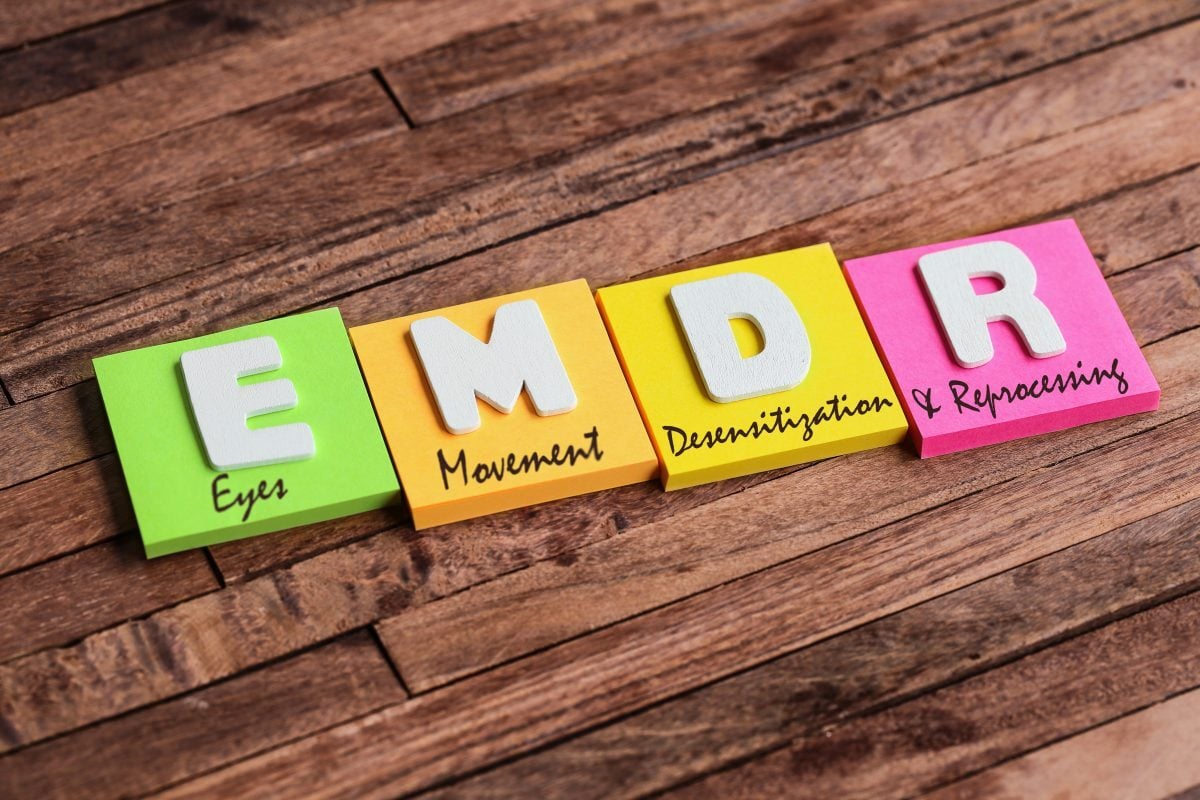
Yes — and this is worth saying plainly, because trauma can make healing feel abstract or out of reach. The nervous system is adaptable. With the right support, it can learn — often through repeated, felt experiences of safety rather than through willpower alone — that the threat is over. Evidence-based approaches like trauma-focused CBT, EMDR, and somatic therapies are all designed to work with this process, not against it.
Healing doesn't mean erasing what happened. It means the memory stops running the show in the background — you can think about it, if you choose to, without your body reacting as if it's happening right now. If you're ready to explore what that could look like for you, you can learn more about trauma therapy at Trillium or reach us directly at 226-752-8857.
If you or someone you love is in crisis or having thoughts of suicide, please call or text 9-8-8 — Canada's Suicide Crisis Helpline, available 24/7.
Frequently asked questions
+What are the different types of trauma?
What are the different types of trauma?
Trauma is generally described in several forms: acute (a single overwhelming event), chronic (prolonged or repeated exposure), complex (multiple, often interpersonal traumatic events), developmental (trauma occurring during childhood), vicarious or secondary (absorbed through exposure to others' trauma), intergenerational (transmitted across generations within families or communities), and collective (affecting a whole community or society at once). Each shows up somewhat differently, though many people experience more than one type at once.
+Is trauma the same as PTSD?
Is trauma the same as PTSD?
No. Trauma is the emotional and physiological response to a distressing event, and for most people it eases with time. PTSD is a specific, diagnosable condition where that response persists beyond about a month and disrupts daily life. For a full breakdown of the difference, the DSM-5 symptom clusters, and a gentle self-check, see our guide on how to know if you have trauma or PTSD.
+Can you have trauma without a specific "big event"?
Can you have trauma without a specific "big event"?
Yes. Trauma isn't limited to dramatic, obviously life-threatening events. Chronic stress, ongoing emotional neglect, or a series of smaller distressing experiences can accumulate into a genuine trauma response, even without one clear "big" incident to point to. This is sometimes discussed as the difference between "Big T" and "little t" trauma — we cover that distinction in more depth in a separate article.
+Why does trauma affect the body, not just the mind?
Why does trauma affect the body, not just the mind?
Trauma responses are generated by the nervous system, not just conscious thought — the same stress-response pathways that speed up your heart rate and tense your muscles during a threat can stay activated long after the danger has passed. That's why trauma symptoms often show up physically: sleep problems, chronic tension, digestive issues, fatigue. For a detailed look at the specific brain regions and stress hormones involved, see our companion article on how trauma impacts the brain and body.
+Can trauma be passed down through generations?
Can trauma be passed down through generations?
Yes — this is known as intergenerational trauma, and it's a well-documented public health topic in Canada. Trauma's effects can be transmitted across generations through parenting patterns, family narratives, and community disruption. CAMH has noted that the legacy of intergenerational trauma in Indigenous communities, tied in significant part to the residential school system, continues to affect people today, and the Government of Canada has developed trauma-informed support programs specifically in recognition of this legacy.
Crisis Resources
If you or someone you know needs support right now, help is available:
- 988 Suicide Crisis Helpline (Canada-wide): call or text 9-8-8 — free, confidential, 24/7.
- Here 24/7 (Waterloo–Wellington crisis & mental health line): 1-844-437-3247.
- If someone is in immediate physical danger, call 911.
About the reviewer — Devon Jorge, MSW, RSW — Devon is a Registered Social Worker (MSW, RSW) and Clinical Director at Trillium Counselling. She reviews Trillium's educational articles to ensure clinical information is accurate, responsible, and aligned with current psychotherapy best practices.
About this article — This article is intended for general education about mental health and the therapy process. It is not a substitute for professional diagnosis, treatment, or individualized mental health advice. If you have concerns about your mental health, please speak with a qualified health professional or contact local crisis services in an emergency.
.jpg)
.png)